From Vision to Reality: Our Comprehensive Deck Building Process
Deck construction encompasses a series of important phases, all aimed at transforming a vision into reality. It begins with understanding personal preferences and continues through material selection and planning. Compliance with local regulations is essential to guarantee a smooth project. Quality and precision remain the primary focus throughout the construction phase. As work advances, purposeful improvements transform the outdoor environment. What details will define the character of this outdoor haven? The next steps hold the answers.
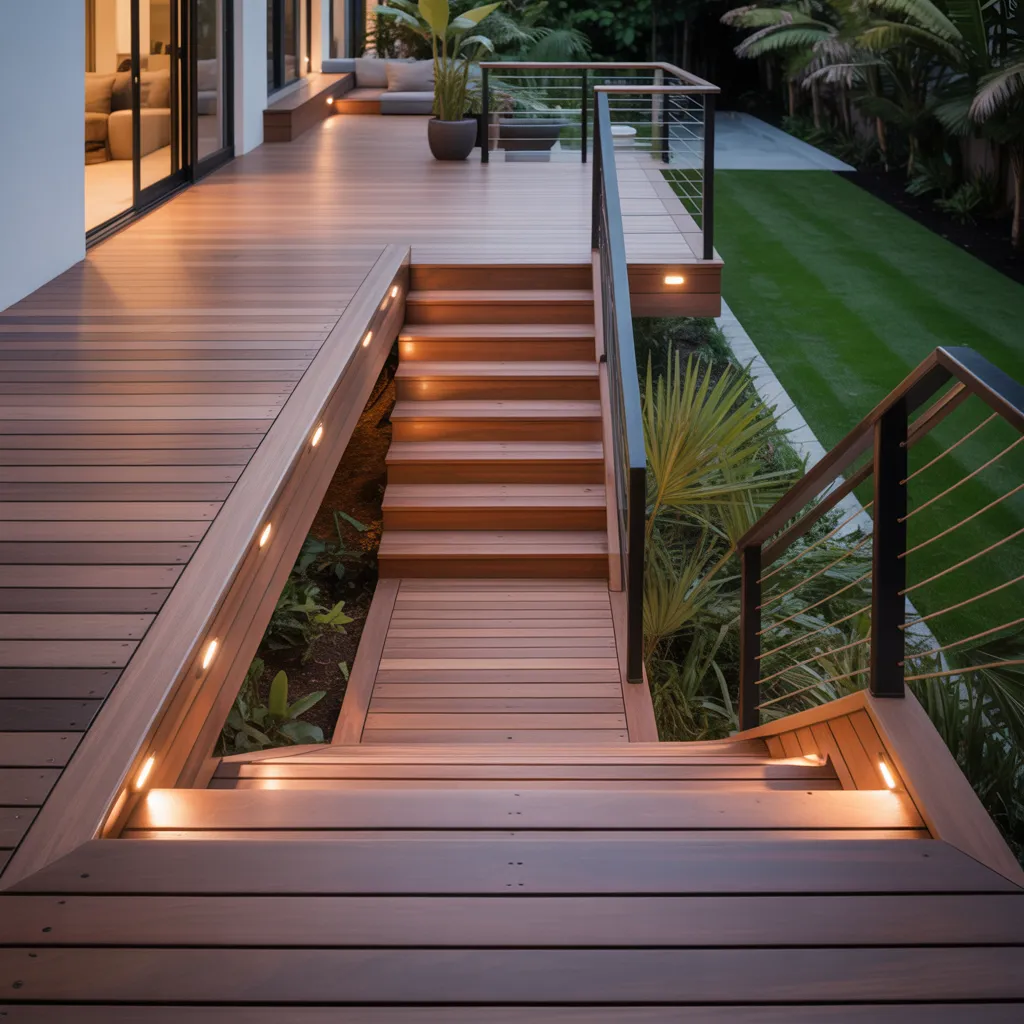
What Do You Want Your Dream Deck to Look Like?
What elements define an ideal deck for an individual? A dream deck often reflects individual taste and practical requirements. Aesthetic considerations might include color palettes, railing styles, and flooring options that complement the property's overall design. The layout plays a vital role; whether it features an expansive space for gatherings or an intimate corner for relaxation, the structure should accommodate particular uses.
Moreover, elements such as integrated seating, shade installations, or ambient lighting elevate both practicality and aesthetic appeal. Consideration of the surrounding landscape is essential, as the deck needs to flow effortlessly with the outdoor setting while providing views and accessibility.
Functionality is paramount; the deck must hold up against the elements and host diverse social occasions. In the end, the perfect deck combines elegance, purpose, and resilience, creating an outdoor space that suits the homeowner's personal taste and way of living. In this way, it becomes not just a continuation of the living space, but a tailored outdoor haven.
Selecting Premium Materials for Your Deck Construction Project
Choosing superior materials is essential to achieving a perfect deck. The decision of materials directly impacts the deck's longevity, aesthetics, and maintenance requirements. Widely used options include pressure-treated wood, engineered composites, and hardwoods, each offering unique benefits. Pressure-treated wood is cost-effective and durable, compatible with a range of environments. Composite materials, constructed with reclaimed wood fibers and plastics, provide minimal upkeep and resistance to rot and insects, rendering them an popular selection for many homeowners. Natural hardwoods, while costlier, deliver exceptional elegance and durability, perfect for those desiring a high-end appearance. Furthermore, decking boards, railings, and fasteners should view this guide be picked thoughtfully, guaranteeing they match the overall design while preserving structural soundness. In the end, committing to high-quality materials will enhance the deck's performance and aesthetic appeal, ensuring it remains a beloved outdoor retreat for the long term.
Planning Your Deck Layout and Design Features
When considering a deck layout and design features, it is important to examine the outdoor space to ensure optimal utilization. Thoughtful selection of materials can improve both visual appeal and practicality. Moreover, planning a layout that allows for different activities will enhance overall satisfaction and function.
Evaluating Your Outdoor Space
How does one effectively assess their outdoor space before starting a deck-building project? The first step involves assessing the dimensions of the area to identify the measurements and layout that will best accommodate a deck. Evaluating existing structures, such as trees, pathways, and fences, is critical for ensuring the design harmonizes with the surroundings. Additionally, evaluating natural light conditions can determine the placement of the deck for optimal light and shade balance. Clarifying the intended purpose of the deck—whether for relaxation, entertaining, or gardening—further guides the layout and features. Finally, taking local zoning regulations and potential permits into account secures compliance and eliminates potential setbacks. This thorough assessment lays a solid foundation for a effective deck design.
Making Smart Material Choices
The key to building a great deck depends on choosing materials wisely, as this decision impacts both aesthetics and durability. A wide range of materials exists, with each providing distinct pros and cons. Natural wood delivers a warm, timeless aesthetic but needs routine care to guard against decay and color loss. Composite decking, constructed from reclaimed materials, delivers lasting performance with little maintenance, though it may lack the authentic appearance of wood. PVC decking presents an additional choice, celebrated for its durability against water and discoloration, rendering it well-suited for moisture-prone regions. Moreover, railing systems and decorative elements should align with the chosen materials, enhancing overall design. In the end, choosing materials that match the intended style, upkeep needs, and ecological factors is critical for a thriving deck project.
Developing Functional Layouts
A well-thought-out deck layout enhances both functionality and enjoyment of outside areas. When planning a deck, it is critical to factor in the planned purpose, whether for socializing, resting, or cultivating greenery. Important elements such as seating arrangements, pathways, and shade structures should be strategically placed to optimize usability and relaxation.
Including distinct zones can clearly separate areas for cooking, dining, and lounging, facilitating a smooth flow between functions. Additionally, the deck's orientation relative to the prevailing winds and sun can influence design choices, guaranteeing optimal conditions across all seasons.
In the end, a practical layout not only represents the home owner's personal style but also works beautifully with the surrounding landscape, creating a cohesive expansion of the home that is both serviceable and attractive.
Secure Your Permits and Understand Local Regulations
Before commencing construction, it is crucial to research local regulations governing deck building. Understanding these rules helps guarantee compliance and avoid potential fines. Moreover, acquiring the proper permits represents a vital step in building a deck.
Review Local Rules and Regulations
How can homeowners confirm their deck building project adheres to local laws? The primary step entails diligent research into local regulations governing deck construction. Homeowners should check municipal websites or speak with local building departments to learn about specific zoning laws, setback requirements, and height restrictions. Additionally, they must be aware of any homeowners association (HOA) guidelines that may impose further limitations. Local codes often outline materials, safety standards, and construction methods, so complete understanding is essential. Engaging with neighbors can also provide insights into past projects and potential challenges. By proactively gathering this information, homeowners can ascertain their deck design satisfies legal requirements, ultimately facilitating a more efficient construction experience and preventing potential conflicts or fines.
Get the Required Permits
Securing the essential permits is a vital step in the deck construction process. It guarantees compliance with local rules and safety codes. Residents must first consult their municipality to determine specific requirements, as these can vary significantly by location. Generally, permits may involve submitting detailed plans, including materials and dimensions, to local authorities for official approval. This stage often includes official inspections to verify that the construction meets local building codes and zoning requirements. Not securing the appropriate permits can result in penalties, forced removal of the structure, or significant project delays. Therefore, familiarizing yourself with local regulations and obtaining the required documentation is imperative for a successful and legally compliant deck installation.
Building Your Deck: Step-by-Step Process
Creating a deck demands a precise and organized approach that guarantees a sturdy and visually appealing structure. The process commences with ground preparation, which includes removing debris and grading the surface. Following this, the base is set, generally employing concrete footings to provide structural support. Once the footings are set, the copyright board is secured to the house, offering a firm attachment for the deck.
Next, the framework is built using treated structural lumber, which includes structural beams and joists to provide support for the deck surface. After the framing is complete, the deck boards are put in place, commonly arranged in a design that elevates the overall appearance. Rails are subsequently installed for safety and style, ensuring compliance with local regulations.
Finally, the deck is subjected to a detailed inspection to confirm the overall structural integrity. In this critical phase, meticulous attention to detail is vital, as it sets the foundation for a durable outdoor space that can withstand the forces of nature.
Personalizing Your Deck: Decor and Accessories
What elements can transform a standard deck into a personalized retreat? Well-selected decor and accessories are essential to achieving this change. Patio furniture, including elegant lounge chairs and dining sets, establishes an inviting environment. Introducing fabrics such as cushions and blankets in bold colors or designs enhances both coziness and aesthetic charm.
Lighting represents another key consideration; string lights or lanterns are capable of establishing a cozy atmosphere for nighttime get-togethers. Potted plants or vertical gardens not only improve the overall look but also incorporate natural features that can reduce the harshness of solid surfaces.
Custom accents, such as customized signage or unique art pieces, demonstrate individual flair and make the space truly one's own. Finally, integrating functional features like fire pits or outdoor kitchens can improve the deck's overall utility, turning it into an ideal space for unwinding and hosting guests. Taken together, these elements collectively contribute to a personalized outdoor retreat.
Questions We Often Receive
How Much Time Does the Complete Deck Building Process Typically Take?
The full deck building timeline usually requires between two to six weeks, influenced by factors such as weather conditions, material availability, and design complexity. No two projects are alike, greatly affecting the total timeframe.
What Is the General Price Range for a Custom Deck?
The typical cost range for a custom deck can vary considerably, generally falling between $15 and $50 per square foot, based on the materials used, the complexity of the design, and local labor rates, influencing the overall budget substantially.
Do You Provide Warranties on Your Deck Construction Work?
Absolutely, warranties are provided for deck construction, guaranteeing coverage against defects while providing peace of mind. The specific terms and length of coverage may vary, giving customers the flexibility to choose coverage that aligns with their personal needs and preferences.
Can I Build a Deck During the Winter Months?
Yes, building a deck in cold weather is doable, but it necessitates careful planning. Cold temperatures can affect building materials and techniques, so proper planning and suitable techniques are necessary for optimal cold-weather construction.
How Do You Handle Unexpected Issues During Construction?
Unanticipated problems during construction are managed through proactive communication, on-site inspections, and versatile problem-solving methods. The team evaluates alternatives, collaborates with clients, and implements effective solutions to minimize disruptions and maintain project timelines.